Source tennis ball collector for Courts, Clubs, and Training
Compare 30 tennis ball collector options from verified suppliers in Fujian, China. These units feature powder coating, customizable sizes, and easy assembly for efficient court maintenance.
Key considerations
Products List
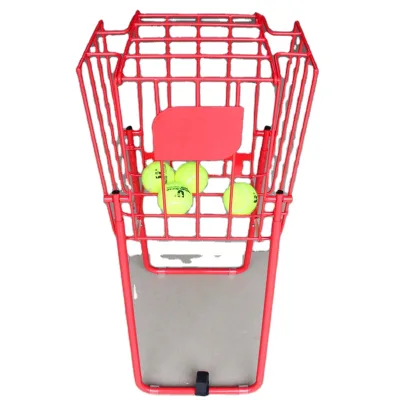
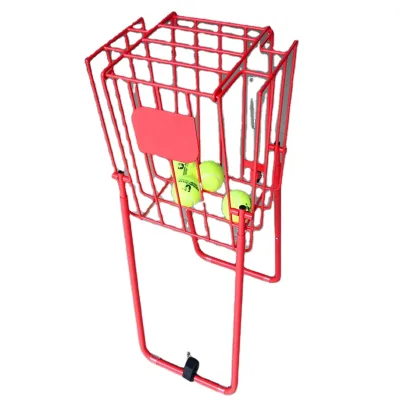
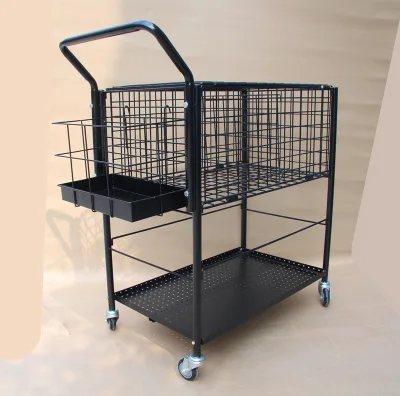


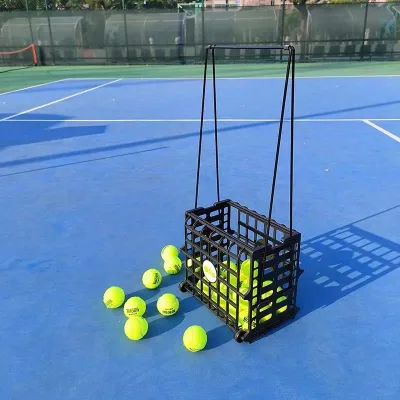
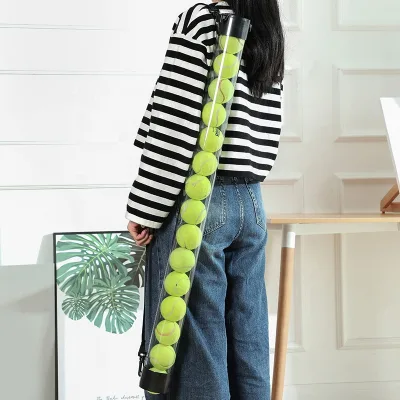

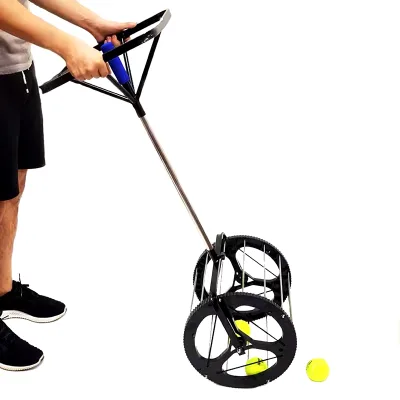
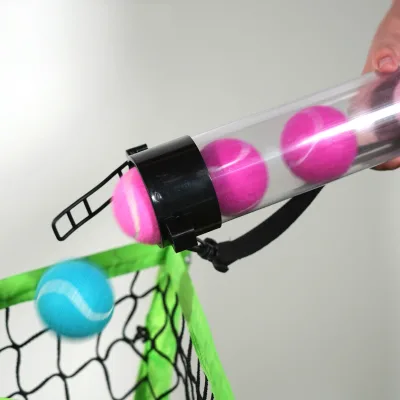

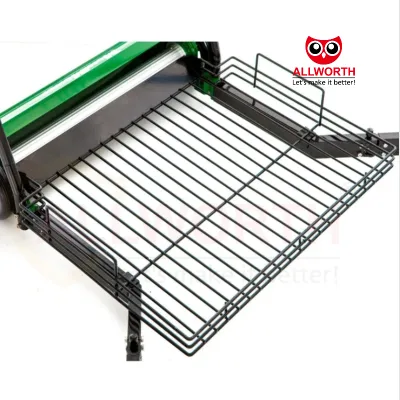
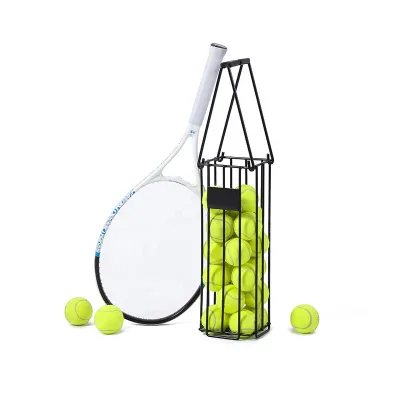
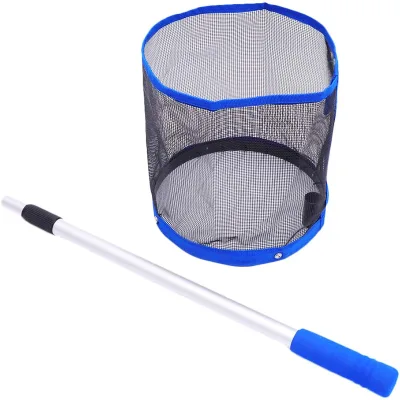


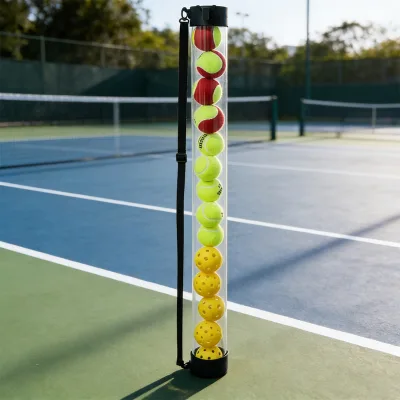
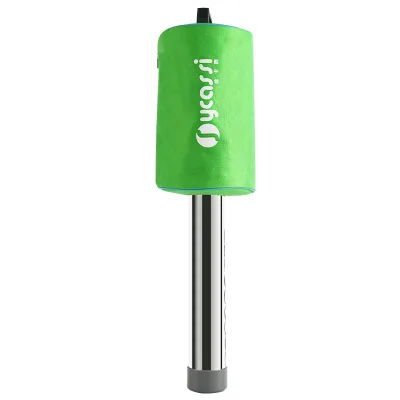
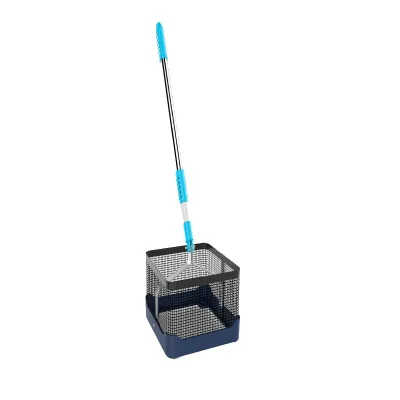
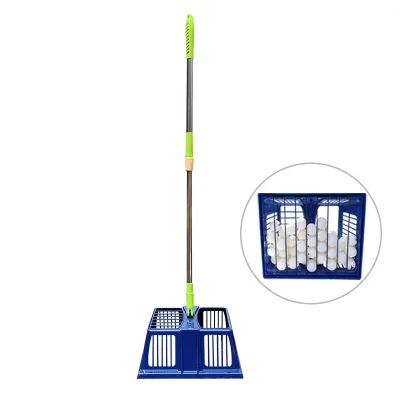
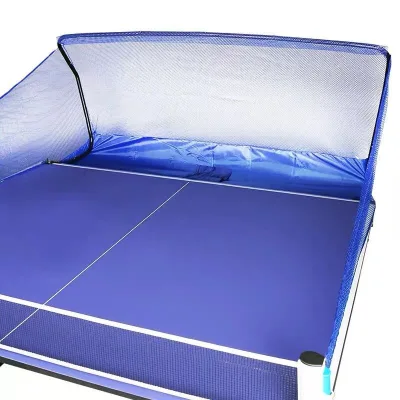
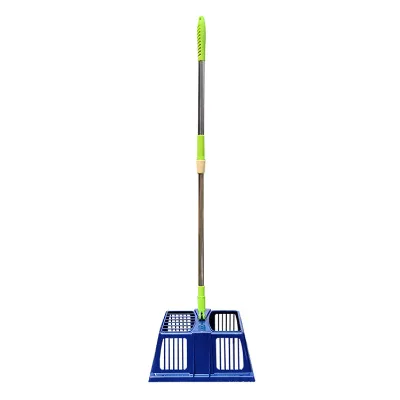
Comprehensive Sourcing Guide
Strategic Sourcing Guide for Tennis Ball Collectors
The global demand for efficient tennis ball collectors has surged as sports facilities and professional academies prioritize operational efficiency and player safety. For procurement professionals, navigating the market for these specialized carts requires a disciplined approach that distinguishes between generic utility carts and purpose-built equipment. The core keyword "tennis ball collector" encompasses a diverse range of products, from simple hoppers to complex rotating rack systems. This guide synthesizes observed market data and technical specifications to provide a framework for sourcing high-quality units without relying on unverified claims or speculative market figures.
Technical Specifications and Material Composition
When evaluating tennis ball collectors, the primary differentiator lies in the material composition and structural design. The market presents a variety of options, ranging from heavy-duty metal frames to lightweight composite structures. Observed product data indicates that iron remains a dominant material for the structural frame, often paired with stainless steel, aluminum, or aluminum alloy components to ensure durability and resistance to corrosion. For instance, specific models utilize a combination of aluminum alloy and Oxford cloth, offering a balance between weight reduction and structural integrity.
The physical dimensions of these units vary significantly based on their intended application. Standardized models may feature dimensions such as 600370800mm or 904040cm, while others are fully customized to fit specific court layouts. Thickness is a critical specification, with observed units ranging around +-2mm for metal components, ensuring the cart can withstand the impact of repeated ball collection and rolling. The single package size for shipping often measures approximately 135x52x11 cm, which is a vital metric for logistics planning.
Furthermore, the finish of the product plays a significant role in its longevity. Powder coating is a standard process observed in the supply chain, providing a protective layer against moisture and UV exposure. This is particularly important for units intended for outdoor use. The color options are generally flexible, with yellow being a common standard for high visibility, though customized colors are frequently available to match facility branding. The single gross weight of these units typically hovers around 20.000 kg, indicating a robust build that requires careful handling during transport.
Design Features and Functional Versatility
The functional design of a tennis ball collector extends beyond simple storage. Modern units often incorporate features such as "Easy Assembly," which reduces the time and labor required for setup at the facility. This is a crucial consideration for procurement teams managing multiple sites or temporary events. The product type classification often includes "Floor Standing Display Unit" or "Rotating rack system," suggesting that some units are designed not just for storage but for organizing balls by type or color.
Customization is a prevalent attribute in this sector. Buyers can often request custom logos, specific color schemes, and tailored dimensions. The "Customized Logo" feature allows organizations to brand their equipment, which is valuable for academies and corporate sponsors. Additionally, the target audience for these products spans from youth and children to professional players and adults, necessitating a range of sizes and weight capacities. Some models are explicitly designed as "Pickleball Ball Pickers," highlighting the cross-sport utility of these collectors.
The application of these units is versatile. While primarily used for tennis ball collection, the design often supports "Pickleball Ball Picker" functionality, making them suitable for multi-sport facilities. The "Usage" specification often notes the ability to handle rotating rack systems, which can significantly increase the volume of balls a single cart can manage compared to traditional hoppers. This versatility makes them an attractive investment for facilities looking to minimize equipment redundancy.
Cost Drivers and Procurement Economics
Understanding the cost structure of tennis ball collectors is essential for budgeting and negotiation. The price range observed in the market is broad, spanning from $2 to $699 USD. This wide variance is driven by several factors, including the complexity of the design, the quality of materials used, and the level of customization required. Units with advanced features like rotating racks or specialized powder coatings will naturally command higher prices than basic hoppers.
Minimum Order Quantity (MOQ) is another significant economic factor. The observed MOQ range is 1 to 500 units, with specific models requiring a minimum of 200 or 50 PCS. This flexibility allows buyers to scale their orders based on their immediate needs and budget constraints. For large facilities or distributors, higher volume orders can leverage economies of scale, potentially reducing the unit cost. However, buyers must balance the MOQ requirements against their storage capacity and cash flow.
Payment terms are another critical component of the procurement process. Standard industry practice observed in the supply chain involves a 30% deposit and a 70% balance payment structure. This arrangement mitigates risk for both the buyer and the supplier. The delivery time is typically within 45 days after the receipt of the deposit, which buyers must factor into their project timelines. Logistics costs, including the loading port (often Xiamen Port) and international export standard paper carton packing, also contribute to the total cost of ownership.
Supplier Evaluation and Verification
Selecting the right supplier is paramount to ensuring product quality and reliability. The supply chain for tennis ball collectors is dominated by manufacturers located in Fujian, China, a region known for its manufacturing capabilities. A key attribute to verify is whether the supplier operates an "Own factory," as this often indicates better control over quality and production timelines compared to trading companies.
Buyers should prioritize suppliers that offer sample services. This allows for a physical inspection of the product's build quality, finish, and assembly ease before committing to a large order. The ability to customize logos and colors is also a strong indicator of a supplier's flexibility and customer service orientation. When evaluating potential partners, buyers should request detailed specifications regarding the "prod_model" and "prod_standard" to ensure the product meets their specific technical requirements.
It is crucial to avoid suppliers that make unverifiable claims about certifications or performance. Instead, buyers should focus on tangible attributes such as the "Single package size," "Single gross weight," and the specific materials used. The presence of a "Customized Logo" option and "Customization Available" status suggests a supplier capable of meeting unique client needs. Verification of the "Loading port" and "Delivery time" is also necessary to ensure the supplier can meet logistical deadlines.
Quality Control and Compliance Standards
Quality control in the tennis ball collector market relies heavily on adherence to manufacturing standards and material integrity. While specific certification names may vary, buyers should verify that the products meet international export standards. The use of "International export standard paper carton" for packing is a baseline requirement to prevent damage during transit. The "powder coating" finish should be inspected for uniformity and adhesion to ensure it does not chip or peel under normal use.
Compliance checks should focus on the structural integrity of the cart. The "Thickness" of the metal components, observed around +-2mm, must be consistent across the batch. Buyers should also verify the "prod_standard" dimensions against the ordered specifications to ensure the product fits the intended space. For units intended for professional use, the durability of the "Aluminum Alloy + Oxford Cloth" or "Stainless Steel" components is a key quality metric.
The "Feature" of being "Durable/Portable" is a claim that must be validated through testing or sample inspection. Buyers should assess the ease of assembly and the stability of the unit when loaded with balls. The "Target Audience" specifications, such as suitability for "Youth, Professional Players, Children, Adult," imply that the product must meet safety and usability standards for a wide range of users. Ensuring that the "Usage" aligns with the intended application, whether for "Tennis Ball Hopper Basket" or "Pickleball Ball Picker," is essential for functional compliance.
Long-Term Procurement and Maintenance Considerations
Long-term procurement strategies for tennis ball collectors involve more than just the initial purchase. Buyers should consider the lifecycle of the product, including maintenance requirements and potential for replacement. The "Customized Color" and "Custom Logo" options can extend the useful life of the equipment by allowing it to be rebranded or repainted if the facility's aesthetic changes. The "Easy Assembly" feature also reduces the long-term labor costs associated with moving or reconfiguring the units.
Maintenance of the powder-coated finish is critical for longevity. Buyers should ensure that the supplier provides guidelines for cleaning and care to prevent rust or corrosion, especially for units used in outdoor environments. The "Iron" and "Steel" components require regular inspection to check for structural fatigue or damage. The "Single gross weight" of 20.000 kg suggests that these units are heavy-duty, but proper handling is necessary to avoid damage to the wheels or frame.
In conclusion, sourcing tennis ball collectors requires a meticulous approach that balances technical specifications, cost factors, and supplier reliability. By focusing on verified attributes such as material composition, dimensions, and customization options, buyers can make informed decisions that align with their operational needs. The broad range of options available, from basic hoppers to advanced rotating systems, offers significant opportunities for facilities to enhance their efficiency and safety. However, the key to success lies in rigorous supplier evaluation and a commitment to quality control throughout the procurement process.
FAQs
What materials are used for tennis ball collectors?
These units are constructed from iron, stainless steel, aluminum, or aluminum alloy combined with Oxford cloth. The specific material depends on the model, with some featuring powder coating for durability and corrosion resistance.
How long is the delivery time after deposit?
Delivery occurs within 45 days after the supplier receives your deposit. This timeline applies to standard orders and ensures timely arrival at the loading port for international shipping.
Can I request a custom logo on the cart?
Yes, custom logo services are available for most models. Buyers can specify their branding details to personalize the equipment for academies or corporate sponsors without affecting the base production schedule.
What is the minimum order quantity for these carts?
The minimum order quantity varies by model, ranging from 50 to 200 units. Some specific models require a minimum of 200 pieces, while others may accept orders as low as 50 units.
Where are these products manufactured and shipped from?
Products originate from Fujian, China, and are shipped from Xiamen Port. The packaging uses international export standard paper cartons to ensure safe transit during global logistics operations.
What payment terms are required for bulk orders?
Standard payment terms require a 30% deposit followed by a 70% balance payment. This structure is common across the supply chain to secure production slots and manage cash flow for both parties.